Lace in early english text refers to 'ties', patterned openwork fabric with open holes. Orinially linen, silk, silver or gold threads were used, nowadays lace is often made from cotton. Few modern artists make lace from fine copper or silver instead of thread. Removing threads or cloth from the woven fabric creates open spaces that make a lace fabric. The thread is looped, twisted or braided to other threads from a backing fabric, lace wasn't made like this until the late 15th and early 16th centuries.
Needle lace, cutwork, bobbin lace, tape lace, these are just a few of the many types of lace, each created using different techniques, a needle and single thread (needle lace) or with multiple threads (bobbin lace).
Lace became dominant in both fashion and home decor, enhanced beauty of collars and cuffs. Originally lace was used by clergy of the early Catholic Church as part of vestments in religous ceremonies, up until the 16th century this was its primary use, however the popularity of lace increased swiftly throughout Europe. St. John Francis Regis inspired girls from the country to stay away from the cities by teaching them in the lace making and embroidery trade.
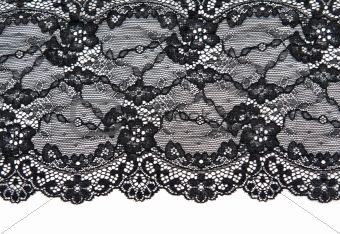
Fashion was the main driving force behind lace production. We know lace now as a delicate looking material, with very fine details and patterns, often used for its slightly see through effect to glimpse the skin underneath it. Lingerie and lace, a sexy combination that's not quite revealing but attractive. The use of the open spaces in the lace allows the skin to be part of the fashion garnet.

No comments:
Post a Comment